
Collect candidate spots in clusters to minimize travel time. Note parking options, potential power sources for lights, and nearby restrooms. Check municipal snow plans to predict where berms will accumulate. Screenshot street views and mark likely takeoffs. When the storm hits, you will move decisively, hitting the highest potential lines first while others scramble to improvise unproven options.
Carry a small probe or ruler to verify depth for landings and takeoffs. Clap your hands and listen: booming alleys amplify generator noise, while snow-blanketed parks dampen sound. Greet neighbors respectfully, explain your plan, and ask about timing conflicts. Friendly communication turns potential friction into cooperation, and sometimes even earns access to shovels, hoses, or extension cords.
Start with mellow taps, board slides, and controlled speed checks. Film a few angles to see if the spot reads well on camera. If run-in speed feels tight, consider winch marks, alternate approaches, or reshaping the takeoff. A measured warm-up reveals hidden hazards early and builds confidence before you commit to bigger spins, transfers, or technical switch entries.

Combine hourly temperature forecasts with wind direction to predict drifted pockets and hardening run-ins. Light snow on a cold base creates fast approaches; near-freezing slush may require brooming or water-set takeoffs. Precipitation timing dictates when to shape lips. By stacking signals, you arrive exactly when conditions favor control, pop, and repeatable attempts without exhausting the crew.
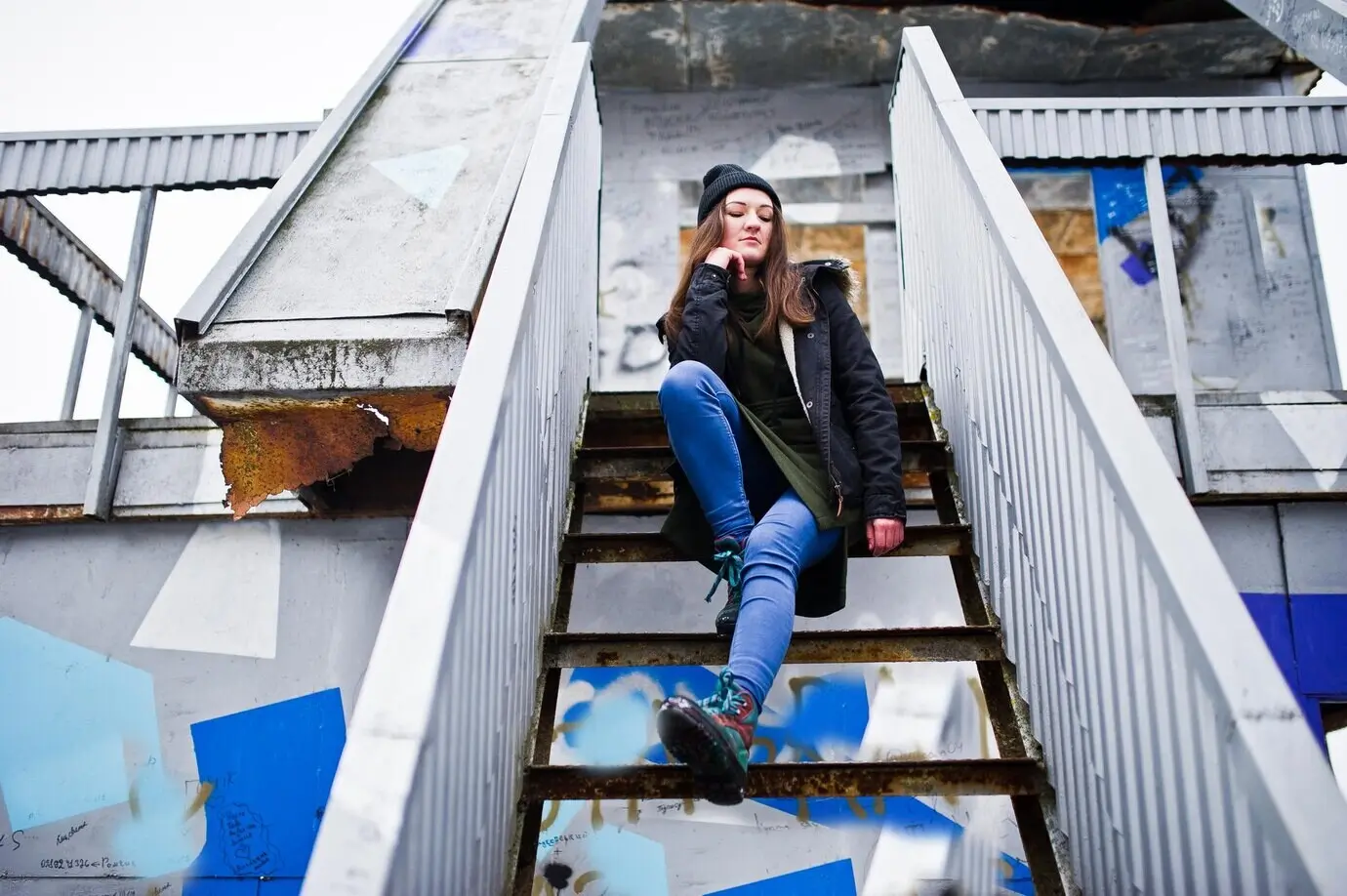
Granular, wind-packed snow supports takeoffs better than airy powder. On rails, steel rides quicker below minus ten, while painted surfaces can feel tacky near melting. Test edging with a gentle press before locking in. Adjust wax accordingly. A few mindful checks determine whether you chase technical rail work today or pivot to bigger gap-to slides when speed cooperates.
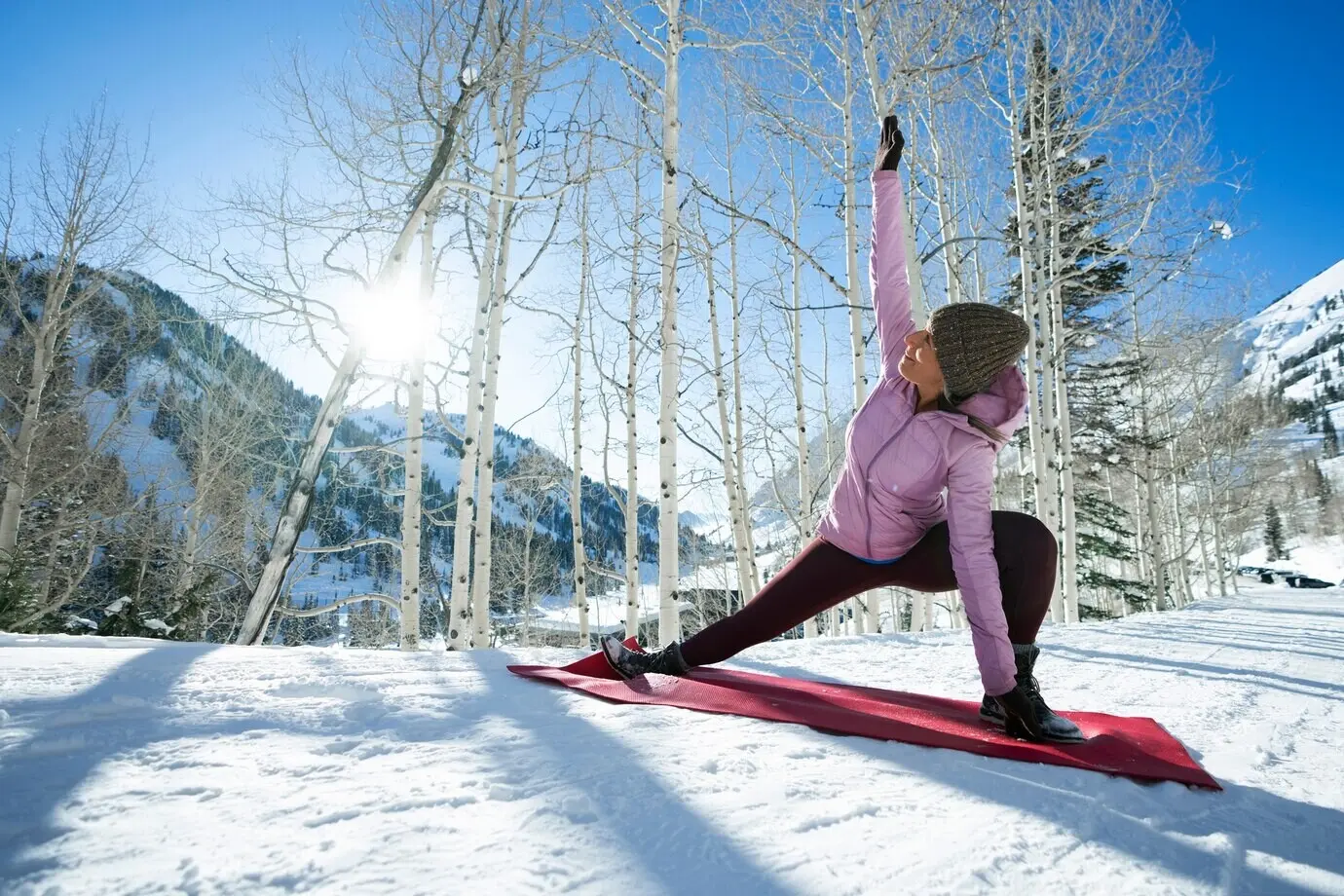
Plan light placement to reveal texture without blinding riders. Cross-light from two sides creates depth and shows edges; a backlight can separate spray. Secure cords with gaffer tape and ramps to prevent trips. Check battery temps, as cold drains faster. Clear lenses and anti-fog help spot landings. Good lighting turns challenging lines into inviting, readable canvases.

Tag each pin with consequence level and required control. Begin with low-risk features to warm up movement patterns, then escalate deliberately. Grade hazards like traffic proximity, exposure, and complexity of bails. When everyone understands the scale, decisions feel measured rather than emotional, and your best tricks happen where margin and confidence overlap most reliably.
Carry a compact kit with splints, trauma pads, and thermal blankets. Assign roles: caller, guide for responders, and crowd control. Save coordinates and nearest hospital in your notes. Headlamps help during power failures. Establish a simple check-in phrase that pauses sessions instantly. Preparation reduces panic, speeds response, and shows bystanders you take responsibility seriously while pursuing creative riding.
Edit sequences to protect locations that cannot handle heavy traffic. Avoid wide establishing shots, blur house numbers, and strip metadata. Share context about weather, teamwork, and perseverance rather than precise addresses. Invite readers to comment with their favorite winter city memories and subscribe for mapping templates, but keep sensitive coordinates on private channels shared only with trusted collaborators.