City‑Built Winter Fitness: Indoor Cross‑Training That Keeps You Fast
Design Your Cold‑Season Plan Indoors
Turn Your City Into a Training Map
Start by listing every indoor resource within reach: building stairwells, community pool hours, accessible gyms, quiet corridors, and public facilities with safe flooring. Assign each location a purpose—power, endurance, skill, or recovery—so your weekly rhythm emerges naturally. The map becomes a commitment device you’ll actually follow through on consistently.
Construct a Week That Balances Load
Blend high‑intensity bike or row intervals with lower‑impact aerobic sessions, sprinkle in stair power, and anchor everything with mobility. Alternate stress and ease days to avoid grinding fatigue. Think in blocks: prime, push, and absorb. Each microcycle should feel challenging yet sustainable, leaving you excited rather than dreading the next workout.
Measure, Reflect, Adjust Without Burnout
Track simple markers—sleep quality, resting heart rate, perceived exertion, and session completion. If energy dips or motivation stumbles, downshift a day and add a recovery circuit. Review weekly: what worked, what dragged, and which facilities felt best. Small adjustments compound into consistency, which ultimately outperforms any single heroic, unsustainable effort.
Strength and Mobility, Built with City Fixtures
Stair Power for Climbers and Skiers
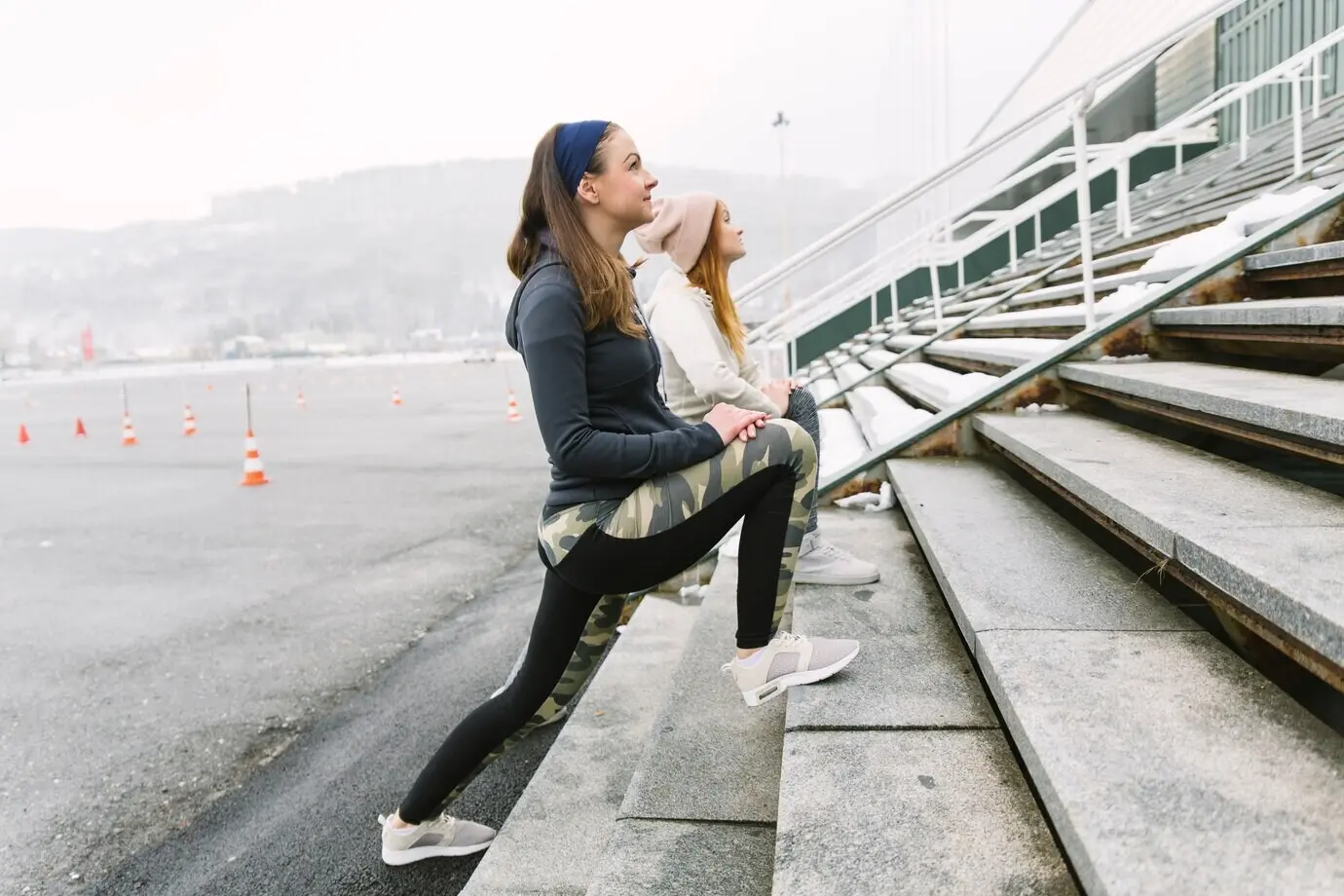
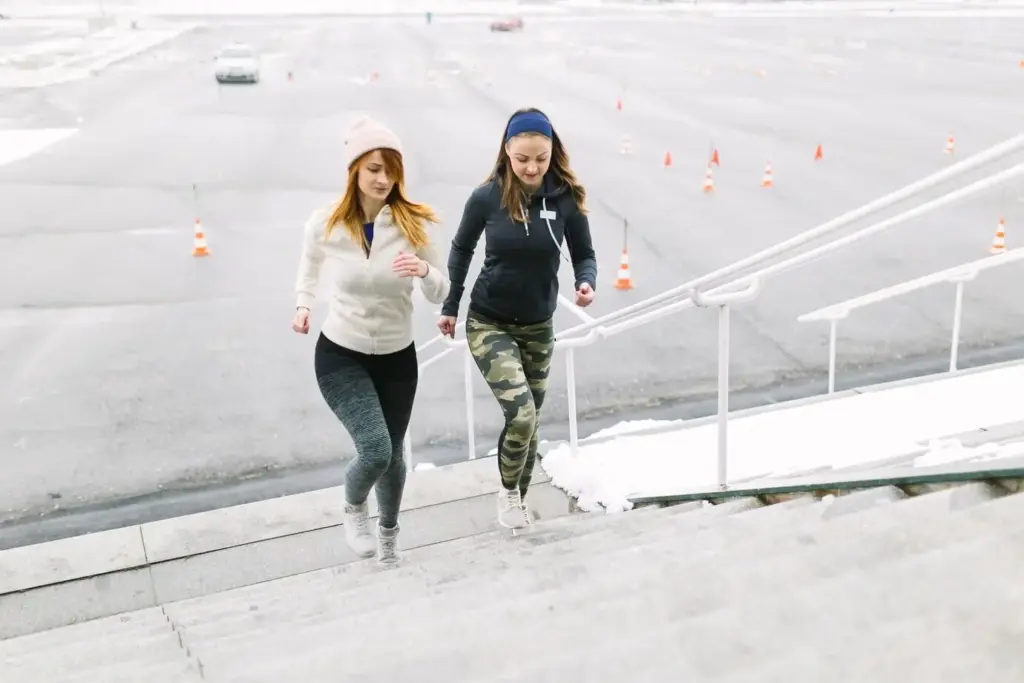
Use stair sprints, double‑step marches, and loaded carries to build leg drive and resilient tendons. Keep sets short, rest honest, and posture tall. Emphasize controlled descents to protect knees. Pair sessions with simple core anti‑rotation drills nearby. Over time, you’ll feel steadier on uneven terrain and confident when gradients bite unexpectedly hard.
Bars, Benches, and Bands for Durable Strength
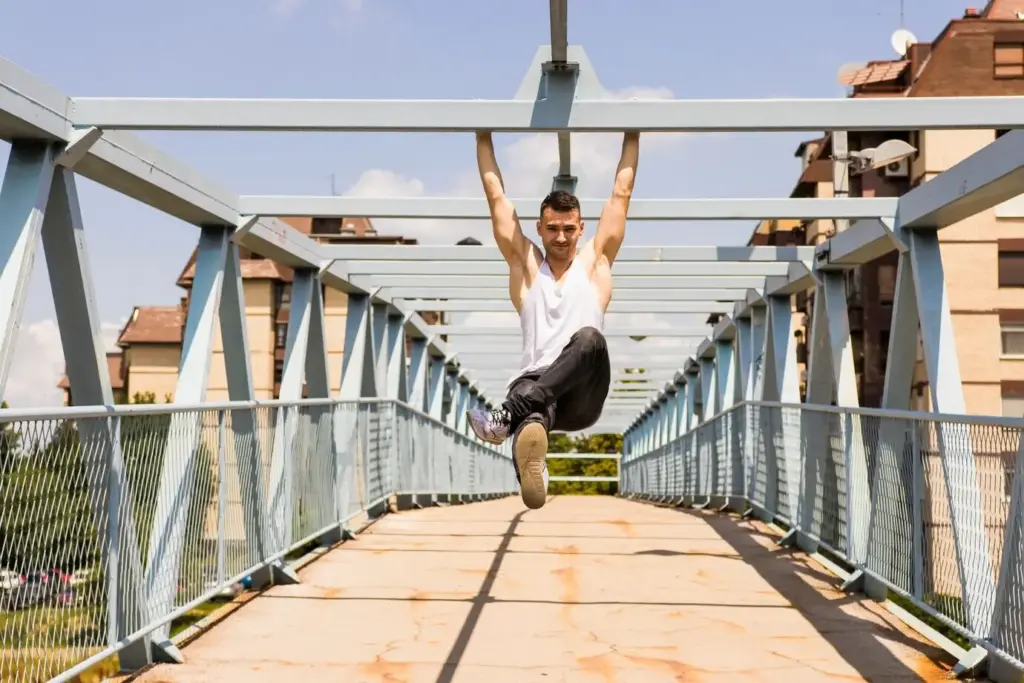
Combine pull‑ups or assisted pulls with bench step‑downs, split‑squats, and banded hip work. Sequence movements push‑pull‑hinge to keep sessions efficient. Focus on tempo and full range rather than chasing maximal load. Finish with trunk carries—suitcase or farmer style—to stabilize hips. The payoff is posture that holds form late into efforts.
Quiet Corners for Elastic Mobility
Carve fifteen minutes for ankles, calves, hips, and thoracic spine. Use controlled articular rotations, light band distractions, and end‑range holds. Two or three sessions weekly reduce stiffness from desk time and heavy training. Better joint motion means cleaner technique indoors and crisper edge control or stride mechanics when you finally return outdoors.
Joint‑Friendly Cardio Engines
Skill Transfer and Sharp Neuromuscular Control
Balance Boards and Edge Control
Use wobble boards, foam pads, or a BOSU for single‑leg holds, mini‑squats, and rotational reaches. Keep eyes forward, torso quiet, and hips responsive. Add light poles or dowels to mimic skiing poling rhythm. These drills hardwire stability, improving edging precision, skate strides, and foot placement when icy ruts or bumps appear suddenly.
Footwork Ladders in Hallways
Lay an agility ladder or tape markers and practice quick feet, lateral shuffles, and crossover steps. Start slow, then add tempo and direction changes. Keep contact light and posture tall. Five to ten minutes pre‑session primes neural pathways for decisive technique, reducing sloppy movements that waste energy and risk awkward, avoidable missteps.
Vision and Reaction Mini‑Games
Hold colored cards, bounce a ball off a wall, or use a simple app to cue directional moves. Pair visual triggers with quick footwork and soft landings. This blends cognitive and physical load, teaching calm speed. When fatigue hits later, your decision‑making stays crisp, protecting form and unlocking confident, efficient winter performance.
Heat, Recovery, and Cold‑Weather Resilience
Recover Anywhere with Simple Rituals
Sleep Anchors for Consistent Progress
Micro‑Mobility Snacks Throughout the Day
Safety, Space Etiquette, and Urban Realities
Sharing Spaces Without Friction
Signal before passing on tracks, avoid blocking lanes near equipment, and wipe down surfaces. Use headphones responsibly and keep intervals tight to your station. A friendly greeting eases crowd tension and often earns you unexpected cooperation. Positive relationships become performance assets when you need flexibility, extra time, or a quick spot unexpectedly.
Weather, Air Quality, and Ventilation Indoors
Cold snaps push crowds inside, so be mindful of airflow and temperature. Choose well‑ventilated rooms, bring a light layer to manage sweat, and stay hydrated even when you don’t feel thirsty. On poor air days, emphasize lower intensity. Your lungs, skin, and recovery will thank you, and consistency will remain your superpower.
Personal Safety and Smart Storage
Secure valuables, label gear, and keep essentials compact. If using stairwells or public corridors, verify permissions and lighting. Warm up in visible areas and let someone know your plan when training odd hours. Prepared athletes rarely scramble, leaving extra energy for quality efforts rather than stressful logistics that distract from training intentions.
Community, Accountability, and Motivation That Sticks

Find or Build an Urban Winter Crew
Calendars, Streaks, and Reward Loops